In this case, the rules are simple, we fit in with the names used in other countries where our birds are also found. If they had a name for a bird we subsequently found and named here, then that first name rules. That's roughly how it works, anyway.
Our explorers were a slack lot, and didn't "find" Australia until 1770 (well, officially, any way), and by then Asia was well and truly on the way to being exploited by Europeans. So in the world of taxonomy, their (European) names win out. Not the names the Japanese or the Indonesians use (of course) that would be too simple by half. No, I mean the names which the German, Dutch, French and English scientists gave to these Asian birds, back home in their dusty museums.
Hence "White-throated Needletail". You can see this particular feature of this bird, in a rare image of a dead specimen of this species, which happened to be found dead in Canberra. But, looking at that photo, you have to ask - who else but a Museum worker would suggest this obscure and nearly invisible feature of a bird be used to signify the generic name of this remarkable, fast-flying bird?
***** ***** *****
Why am I writing about Needletails? Well today I managed to take a few snaps of several birds as they flew fast and low past my place, this afternoon. This is the first occasion I have managed any sort of photograph of White-throated Needletails.
Only once before have I ever photographed Swifts, and those were the even rarer Forked-tailed Swifts. But they were very co-operative, and a large flock circled around my house for about 15 minutes, and then disappeared. A first and only visit.
I had seen several Needletails two weeks previously, but I did not manage a photo on that occasion. This is only the second sighting of this species for me, this summer.

"Swift" sightings are always exhilarating, as the birds fly so fast, and zoom past you in such haste that you have to swerve your head to follow their movements.
 And it is all the more remarkable when you realise that they are not just flying, they are feeding on the wing - catching insects as they go.
 How remarkable must their eyesight be - to see an insect, when travelling in excess of 100 Km/hr., and then steer towards that insect, open one's beak and catch that flying insect?
 Every now and then one gets lucky enough to say - that shot is as good as I can hope to get tonight - with this light, and this lens. Thank you and good night!
 And as my Brother Brendan has just pointed out to me, this photo is worth showing - if only for contrast in wing shape and performance. As we were sitting on the back deck, watching the Needletails zip past, a small flock of Black Cockatoos flew past. Here they are.
Check out the remarkably different wing shapes and wing flap styles and of course, the very long tails on the Cockies.
 Those wing shapes and the tails, contrast against those of the Needletails whose tails have been reduced to mere stumps with fine needles in them (which they apparently use for perching on rocky cliff faces) - when nesting in Korea and Mongolia.
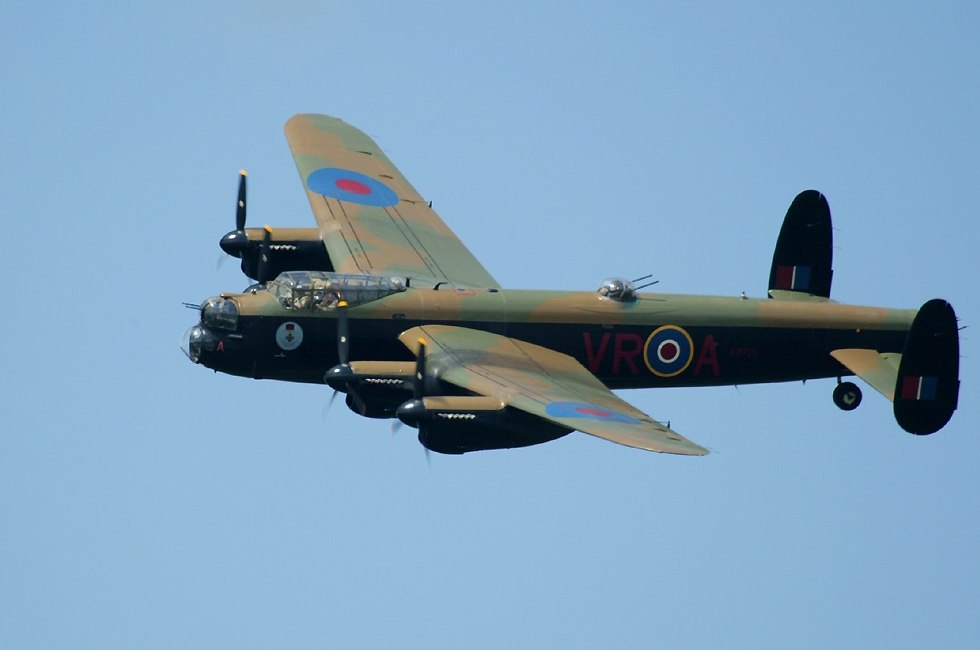
In aeroplane parlance, the Needletails are obviously the F-111 (with adjustable wing angles) and the Cockies are World War 2 Lancaster Bombers. Both can fly - but they do so in a very different manner.
Only once before have I ever photographed Swifts, and those were the even rarer Forked-tailed Swifts. But they were very co-operative, and a large flock circled around my house for about 15 minutes, and then disappeared. A first and only visit.
I had seen several Needletails two weeks previously, but I did not manage a photo on that occasion. This is only the second sighting of this species for me, this summer.

"Swift" sightings are always exhilarating, as the birds fly so fast, and zoom past you in such haste that you have to swerve your head to follow their movements.
 And it is all the more remarkable when you realise that they are not just flying, they are feeding on the wing - catching insects as they go.
 How remarkable must their eyesight be - to see an insect, when travelling in excess of 100 Km/hr., and then steer towards that insect, open one's beak and catch that flying insect?
 Every now and then one gets lucky enough to say - that shot is as good as I can hope to get tonight - with this light, and this lens. Thank you and good night!
 And as my Brother Brendan has just pointed out to me, this photo is worth showing - if only for contrast in wing shape and performance. As we were sitting on the back deck, watching the Needletails zip past, a small flock of Black Cockatoos flew past. Here they are.
Check out the remarkably different wing shapes and wing flap styles and of course, the very long tails on the Cockies.
 Those wing shapes and the tails, contrast against those of the Needletails whose tails have been reduced to mere stumps with fine needles in them (which they apparently use for perching on rocky cliff faces) - when nesting in Korea and Mongolia.
In aeroplane parlance, the Needletails are obviously the F-111 (with adjustable wing angles) and the Cockies are World War 2 Lancaster Bombers. Both can fly - but they do so in a very different manner.